Orthopedic Surgery for Dogs & Cats in Prince George, BC
What is Veterinary Orthopedic Surgery
Helping pets with joint problems, torn ligaments and fractured bones.
At CHVC, we perform orthopedic surgery for dogs and cats in Prince George to help pets with bone fractures, torn CCLs, and other bone and joint-related injuries and illnesses.
Veterinary orthopedic surgery is used to help pets with joint problems, torn ligaments and fractured bones. We perform orthopedic surgery for a variety of concerns and problems around the joints, ligaments, and bones including:
Why We Perform Orthopedic Surgery
Helping your pets move and live freely.
If your pet often has problems getting up, favours one or more legs intermittently when walking, limps, has swelling in their leg, stiffness, or decreased activity, they may have an injury or illness that will require orthopedic surgery to correct. We’ll run the necessary tests to determine the issue and recommend a course of action to you, including any necessary surgeries.
Our goal is always to get your pet back to being healthy and happy.
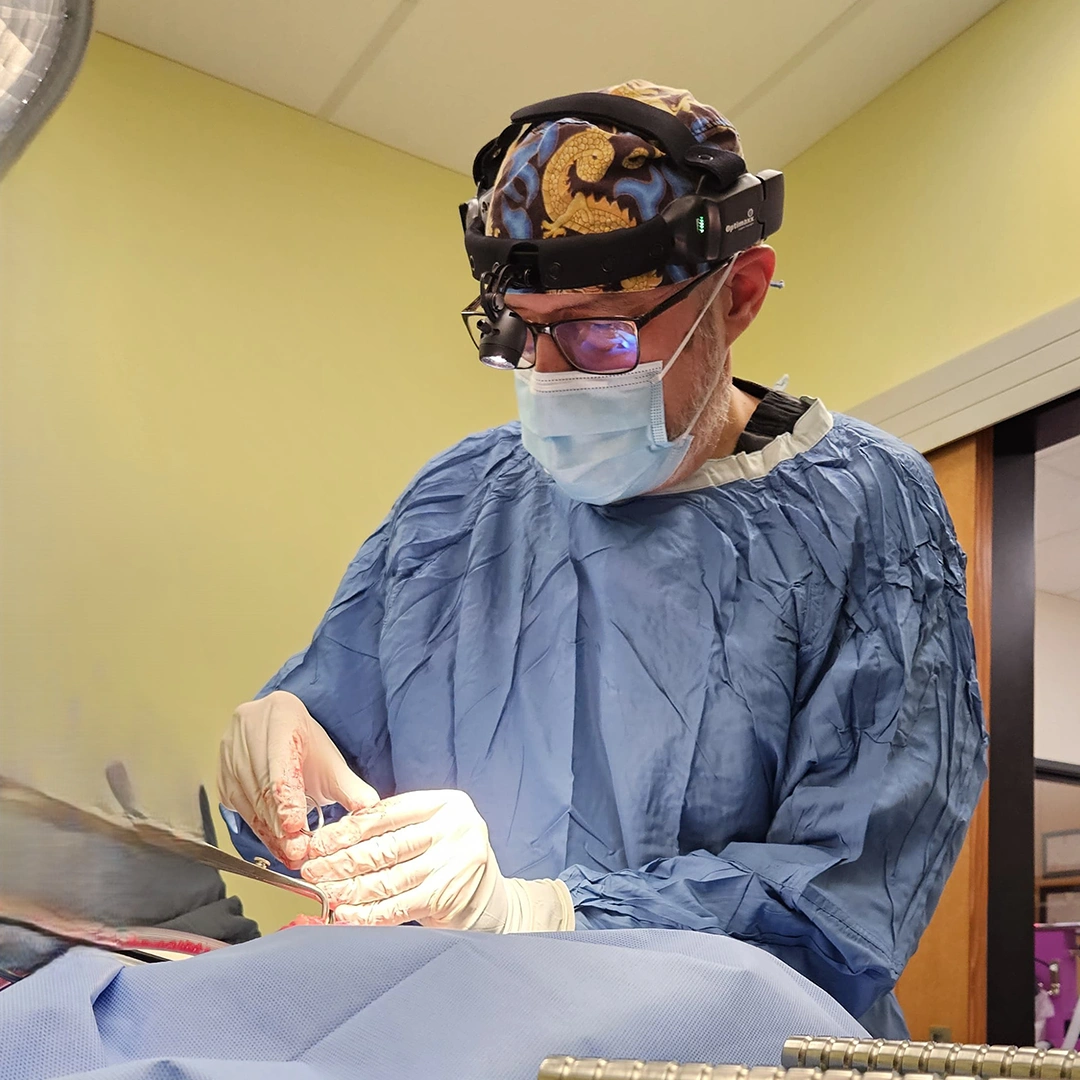
What to Expect from Your Pet’s Orthopedic Surgery
A quick overview of the process
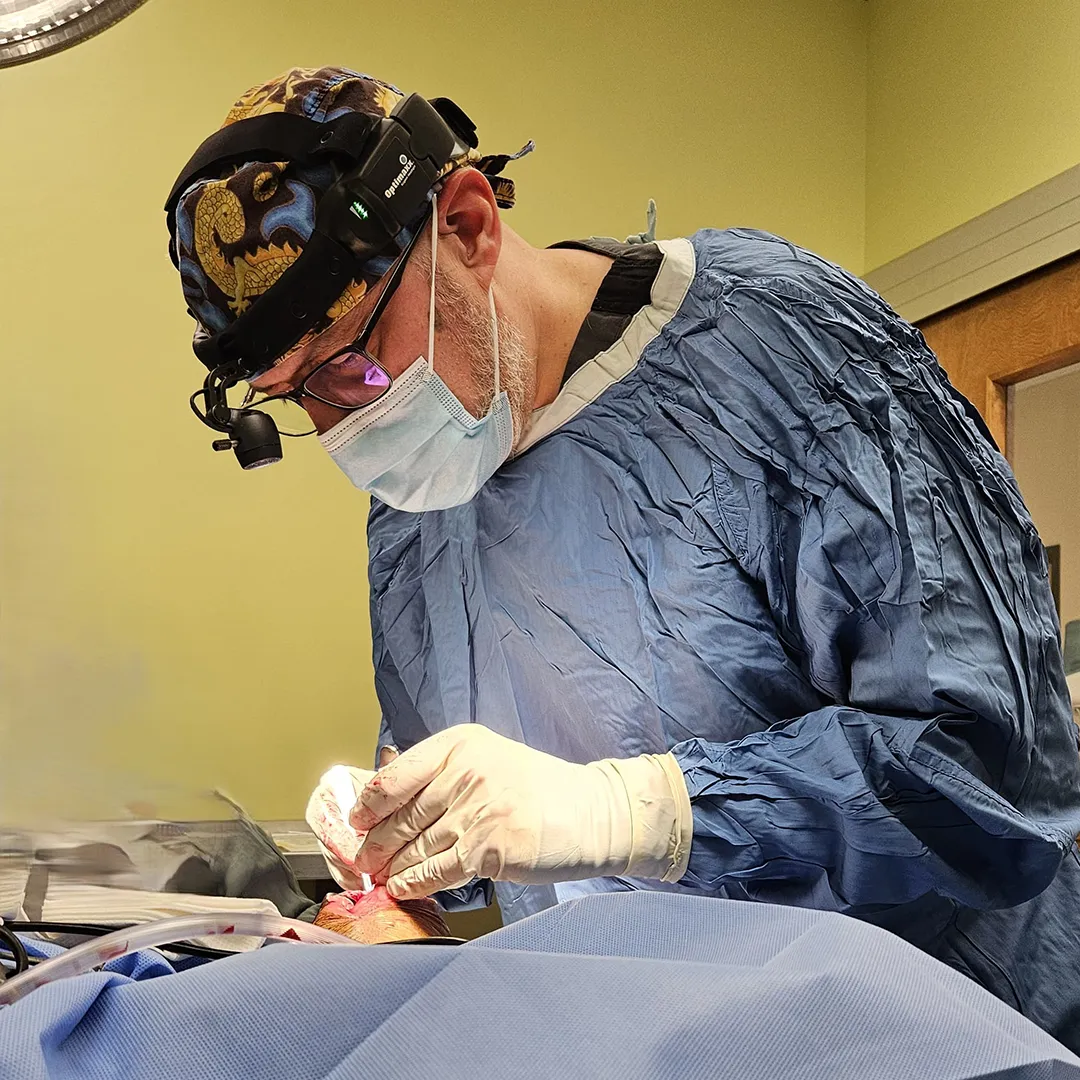
We’ll discuss any specific requirements and risks with you before and after the surgery, but in most cases, we’ll require that your pet fast for 12 hours before the surgery so they can be placed under anesthesia.
After performing the surgery, we’ll monitor your pet as they come out of the anesthetic, and provide you with pain medication and instructions for post-operative care, including:
We’ll also schedule any follow-up appointments for monitoring your pet’s healing over the next days, weeks, or months.