Oncology Surgery for Dogs, Cats & Ferrets in Prince George, BC
What is Veterinary Oncology Surgery
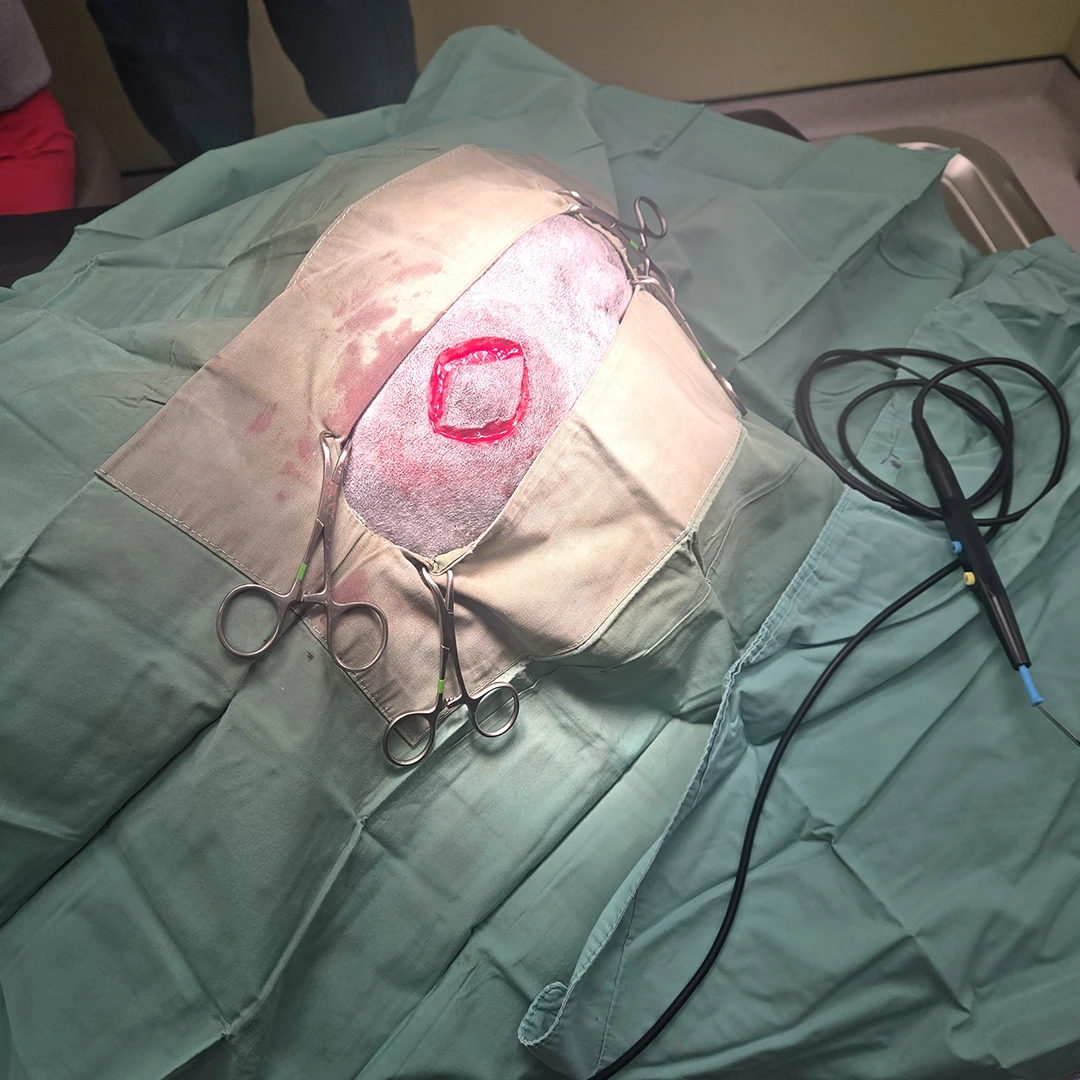
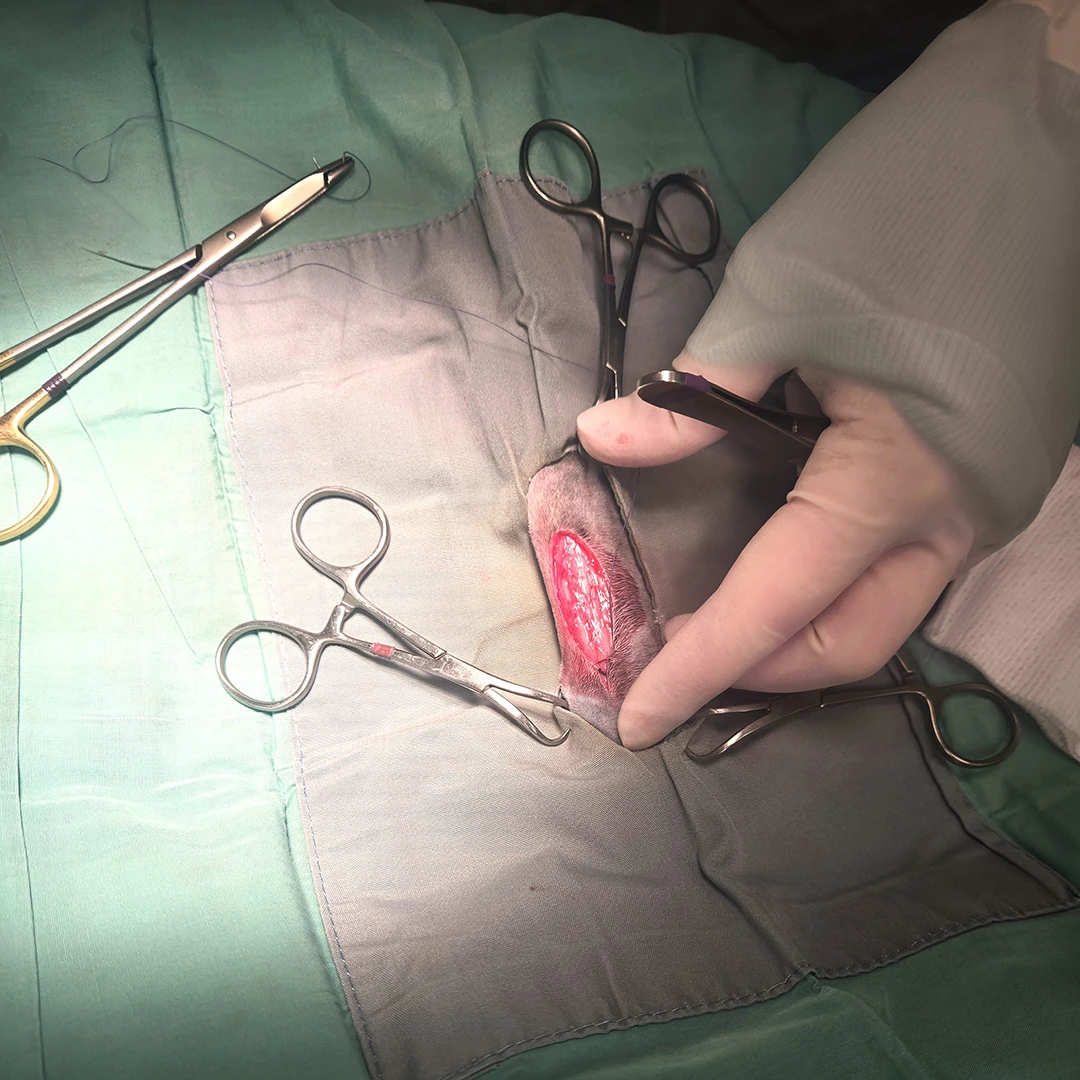
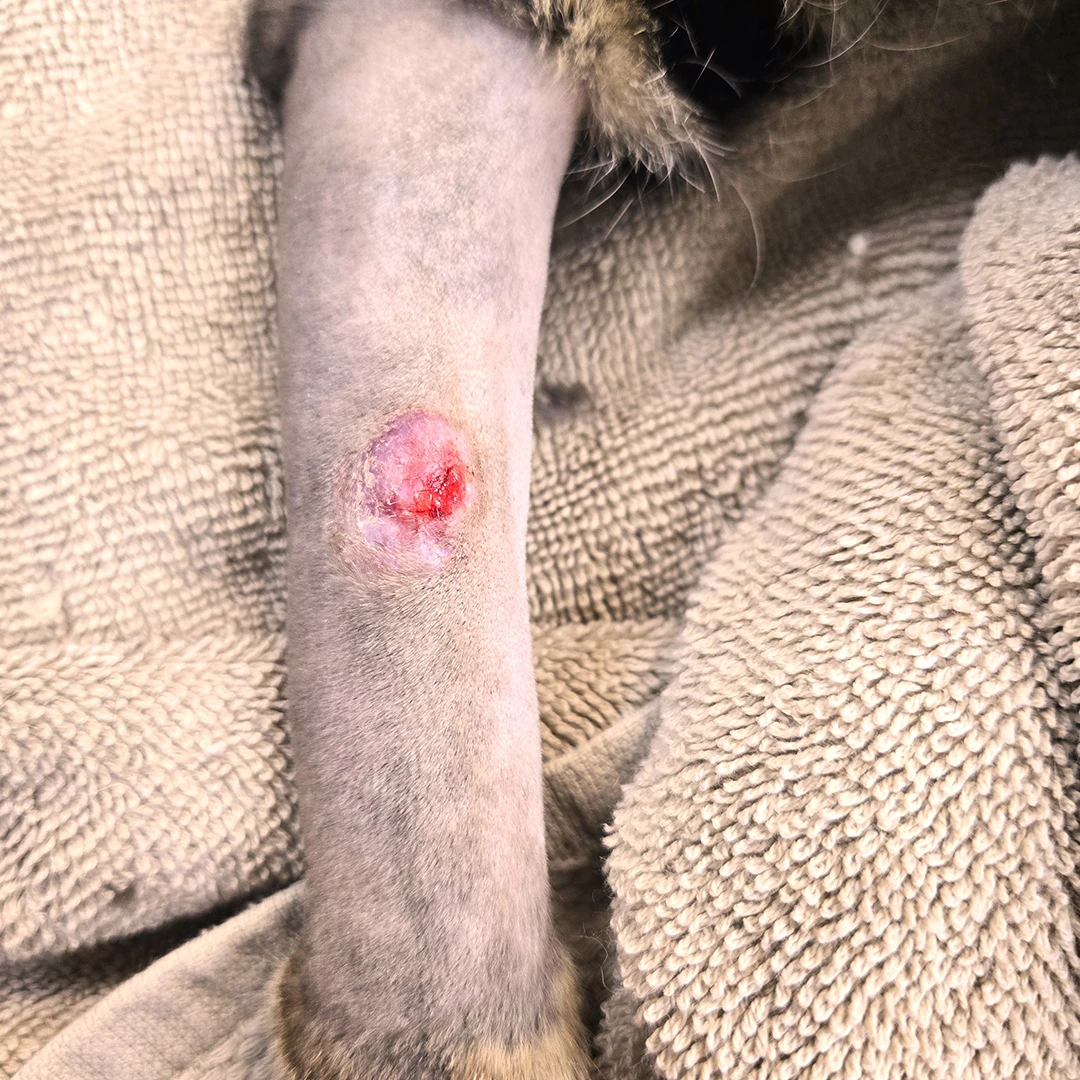
These treatments allow us to remove tumours as well as perform biopsies and complex limb and organ resections.
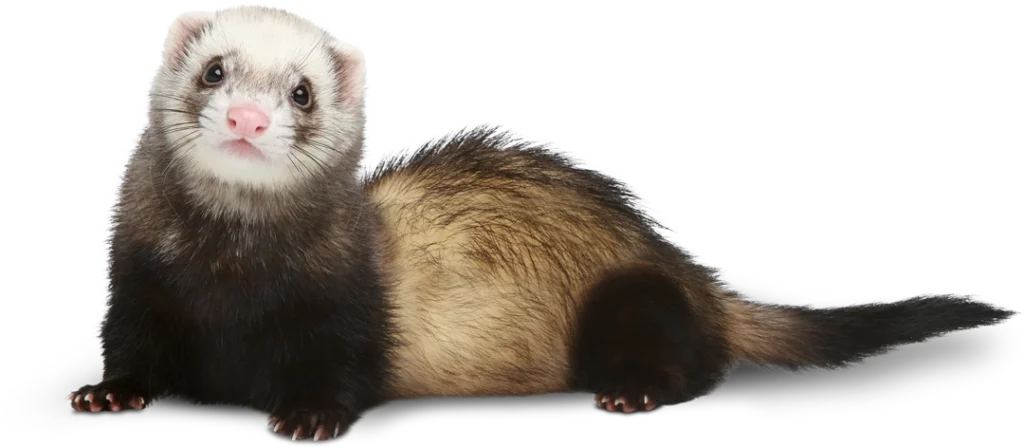
At CHVC, we perform oncological surgery for dogs, cats, and ferrets with cancer in Prince George.
The goal with oncological surgery is almost always to surgically remove cancerous tumours. Surgery is one of the most common treatments for pets with cancer, and if caught early, is often successful in entering pets into remission. We’ll also perform a laparoscopic or endoscopic procedure in cases where we need a biopsy to diagnose cancer by sampling potentially malignant tumours.
We may make a recommendation for other forms of cancer treatment, including chemotherapy and radiation, alongside surgery in cases where we believe it will give your pet their best chance.
Why We Perform Oncology Surgery
About one in four dogs, one in five cats, and three in five ferrets will develop cancer in their lifetimes.
In fact, nearly half of dogs over 10 will develop cancer, making it one of the most common causes of death in senior dogs.
We perform oncological surgery for pets when we have confirmation of a malignant tumour, usually done through a biopsy. We focus on performing surgical extractions with wide margins to reduce the chance of leaving behind cancer cells that could develop into new tumours to give your pets their very best chance at a healthy, happy future.
What to Expect from Your Pet’s Oncology Surgery
From diagnosis to recovery, we’ll help you understand the surgical process.
Oncological surgery is one of the most common courses of action available to us, and in cases where the tumour or tumours are operable, it will be our first recommendation.
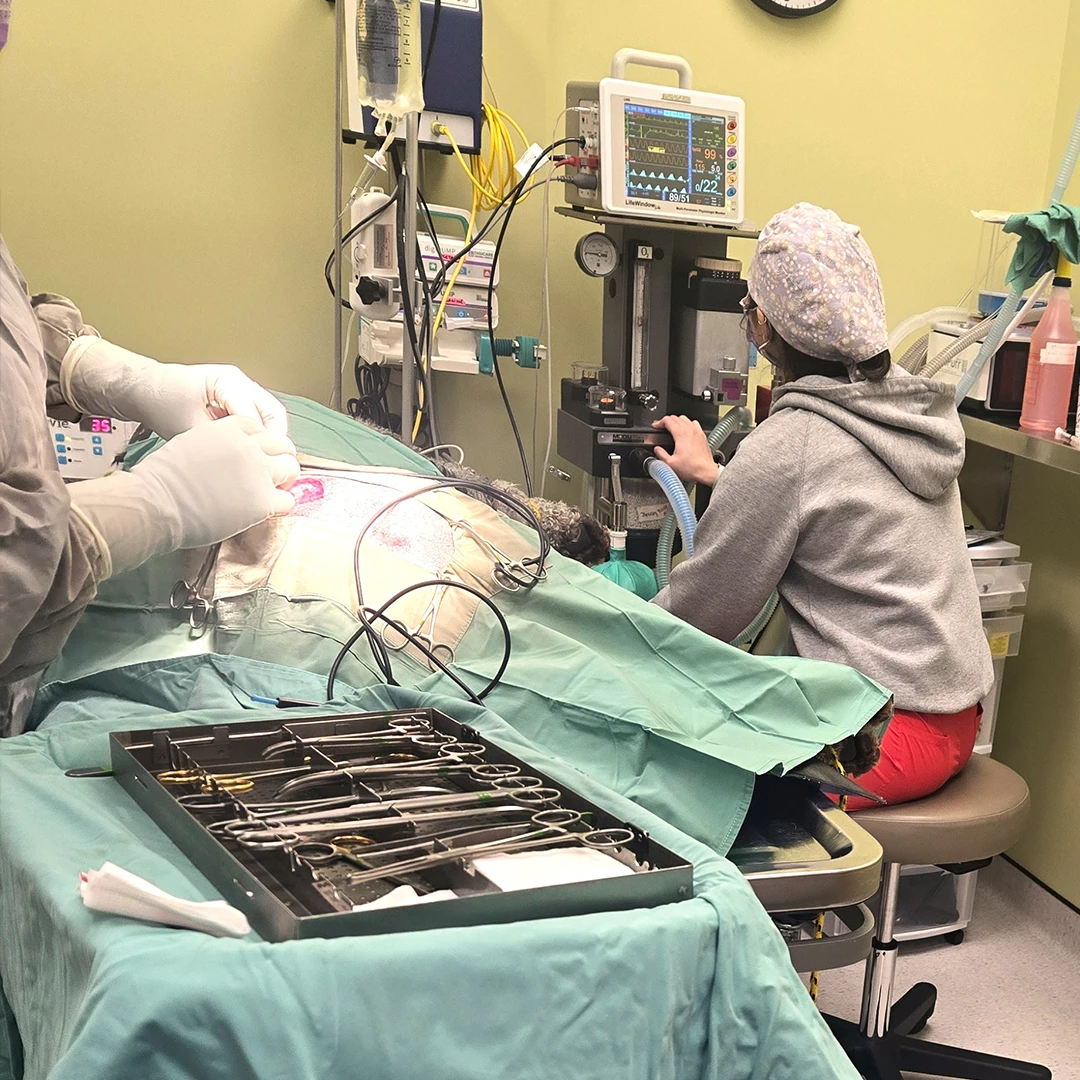
Once we’ve determined that we need to operate, we’ll make an appointment for the surgery. The procedure will be performed under general anesthesia, so your pet will need to fast for 12 hours beforehand.
When you bring your pet in, we’ll perform a physical exam and testing to ensure they’re well enough to undergo anesthesia, then we’ll administer the medication and perform the surgery. Your pet will be carefully monitored over the course of the surgery and until they wake from the anesthetic.
Cancer treatment is often a longer process. We’ll book future appointments for you to check up on both your pet’s healing from surgery and to monitor them for any returning signs of cancer.