Neutering and Spaying in Prince George, BC
What is Neutering & Spaying
Neutering, spaying and LOVE spaying surgery for dogs, cats, and ferrets.
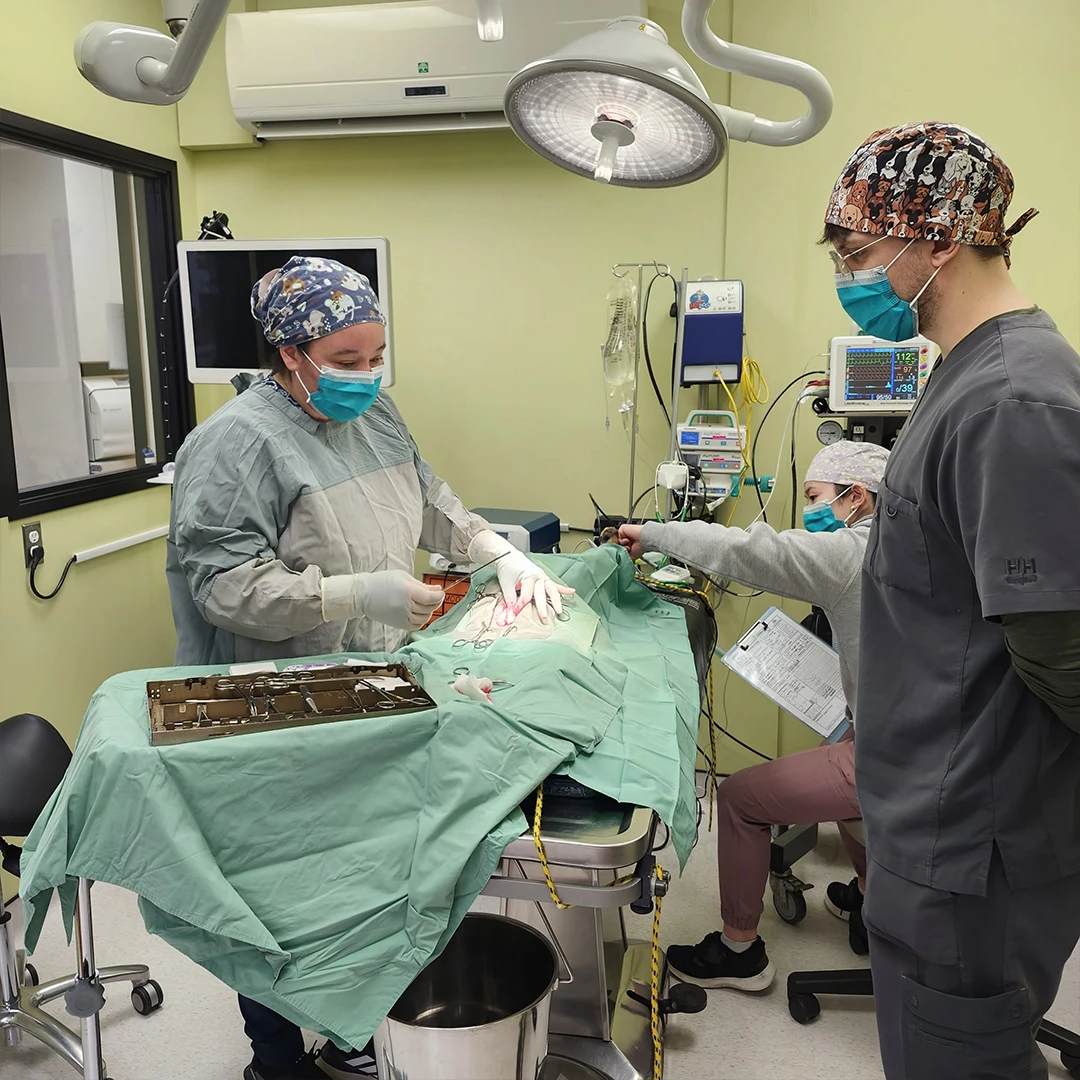
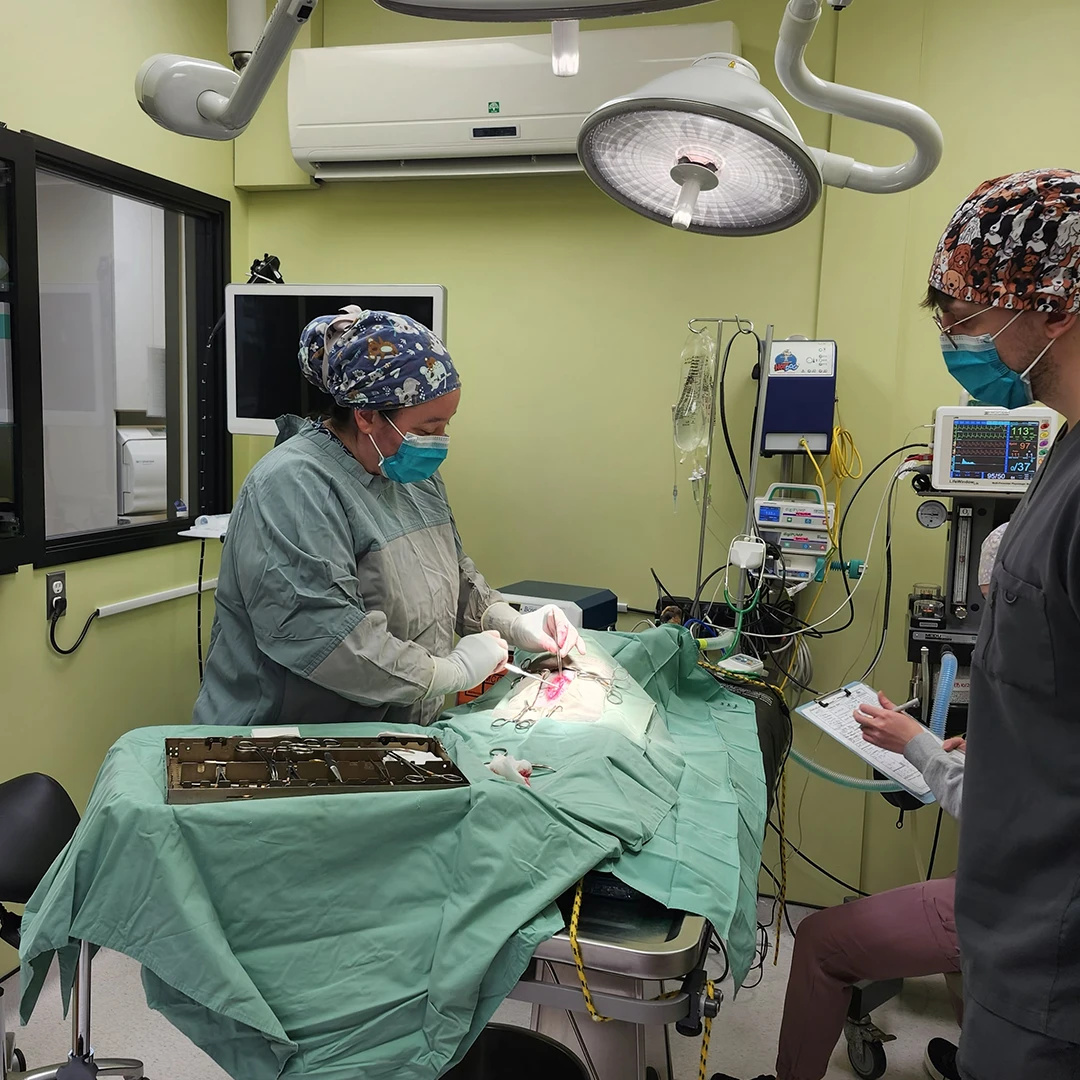
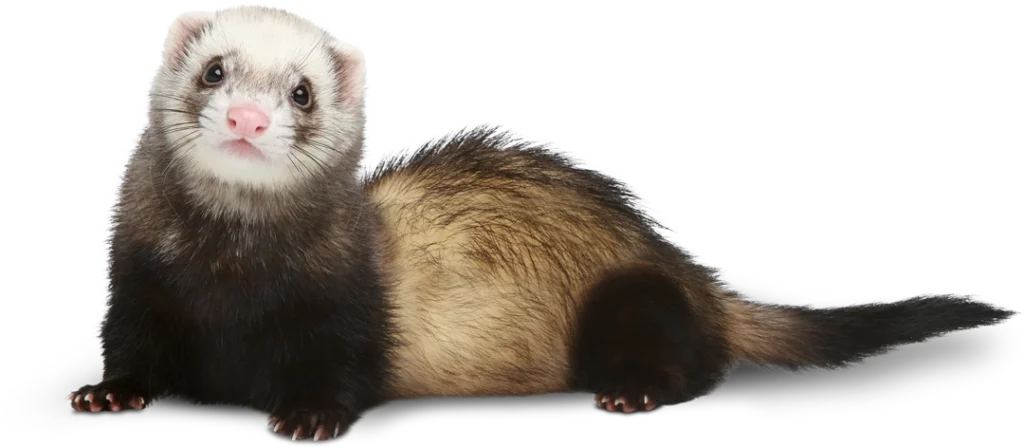
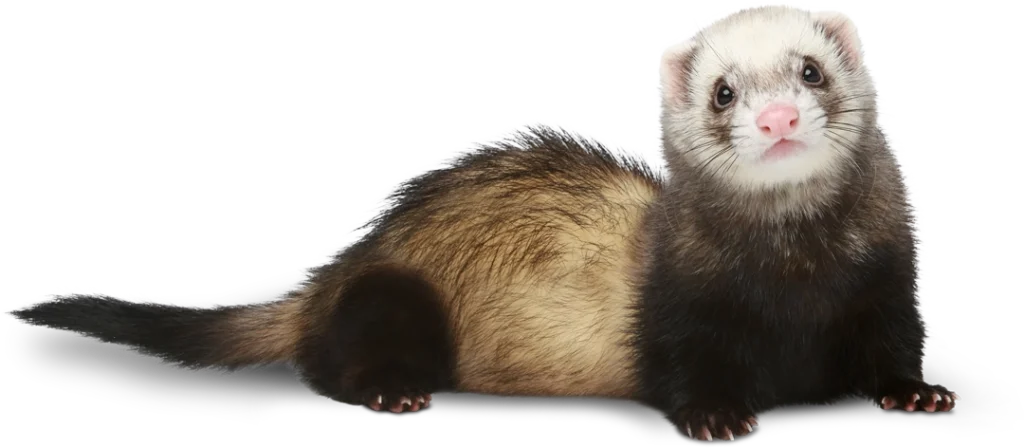
At CHVC, we offer neutering and spaying surgery for dogs, cats, and ferrets in Prince George, BC, including LOVE spaying.
Neutering is the removal of the testicles from a male animal. We use an incision near the scrotum to do this. We’ll usually use stiches to close this incision in for dogs, but in cats, the cut is often small enough to heal on its own.
Traditional spaying requires a large incision in the abdomen to remove the ovaries and uterus, which is then closed with several layers of sutures, staples, or surgical glue. We are now offering laparoscopic spaying, which is a minimally invasive surgery that is significantly less painful and traumatic than the traditional method in addition to having a much shorter recovery time.
Why We Neuter & Spay Pets
Preventing overpopulation and abandonment of pets.
Neutering or spaying is the responsible choice for most pet owners and is critical in preventing overpopulation and abandonment of pets. It also removes all possibility of reproductive cancers and allows for behavioural improvements like reduced aggression and territorial marking. It even prevents the urge to roam, which often results in missing and lost pets.
We recommend a timeframe for neutering or spaying pets depending on their breed and species, but most pets should be spayed or neutered between 6 months and 2 years of age, with a minimum age of 1 year for large dog breeds.
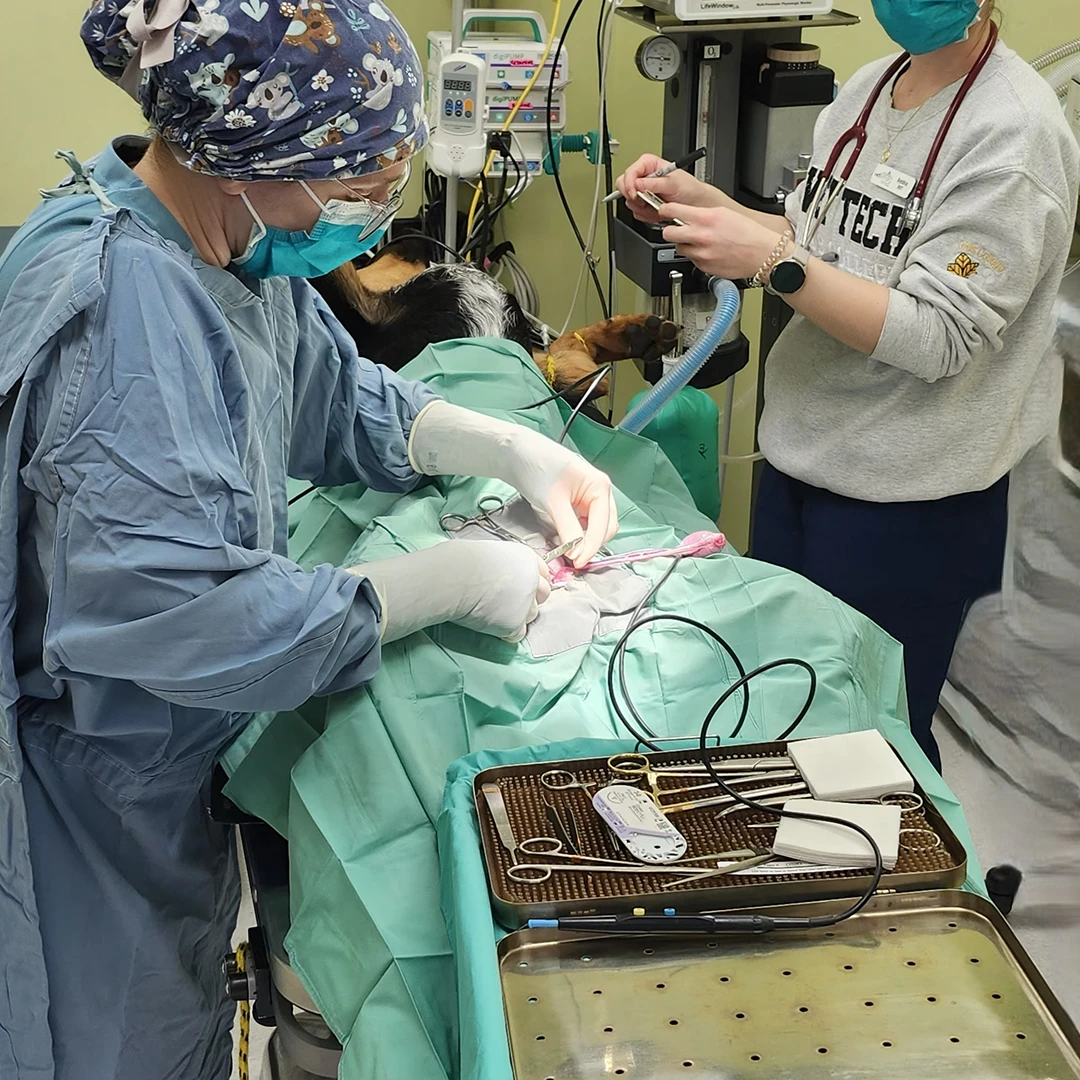
What to Expect from Neutering & Spaying
This surgery is conducted under anesthesia, so your pet will need to fast for 12 hours prior to coming in for their appointment.
We’ll discuss this as well as any other requirements and associated risks with you beforehand.
After performing a physical exam and some testing to ensure your pet is healthy enough for the surgery, we’ll administer the anesthesia and perform the surgery.
You should be able to bring your pet home the same day. You may see some symptoms in the first 24 hours such as grogginess, a reduced appetite, and nausea. We’ll give you complete instructions for post-surgery care after the surgery, but you’ll be provided with pain medication and a schedule to administer it on as well as instructions for how long you’ll need to restrict your pet’s activity, including running and jumping. The incision site will also need to be kept clean and dry, which means no baths or swimming during the recovery period.