
Autologous Conditioned Plasma System (ACP) for Pets
What is Autologous Conditioned Plasma
At CHVC in Prince George, we use ACP for dogs who have injuries or chronic illnesses to reduce inflammation and speed healing.
The Autologous Conditioned Plasma System is a method for treating ligament, tendon, and join injuries. It uses a concentration of platelets and growth factors called plasma developed from a sample of your pet’s own blood. Because it doesn’t use any drugs, there are minimal risks of side effects, and using ACP can even potentially reduce the need for pain medication.
We use a double syringe system, which means the entire preparation process takes place in a closed system for convenient and safe handling, which also reduces the risk of infection.
Why We Use the Autologous Conditioned Plasma System
Platelets with growth factors that help speed up the healing process.
The platelets we inject with ACP at the problem site release growth factors that help initiate and speed the healing process. This often helps with pain relief and function in pets with
ACP is also commonly used in conjunction with surgeries to enhance the healing process at the surgical site.
What to Expect from Autologous Conditioned Plasma
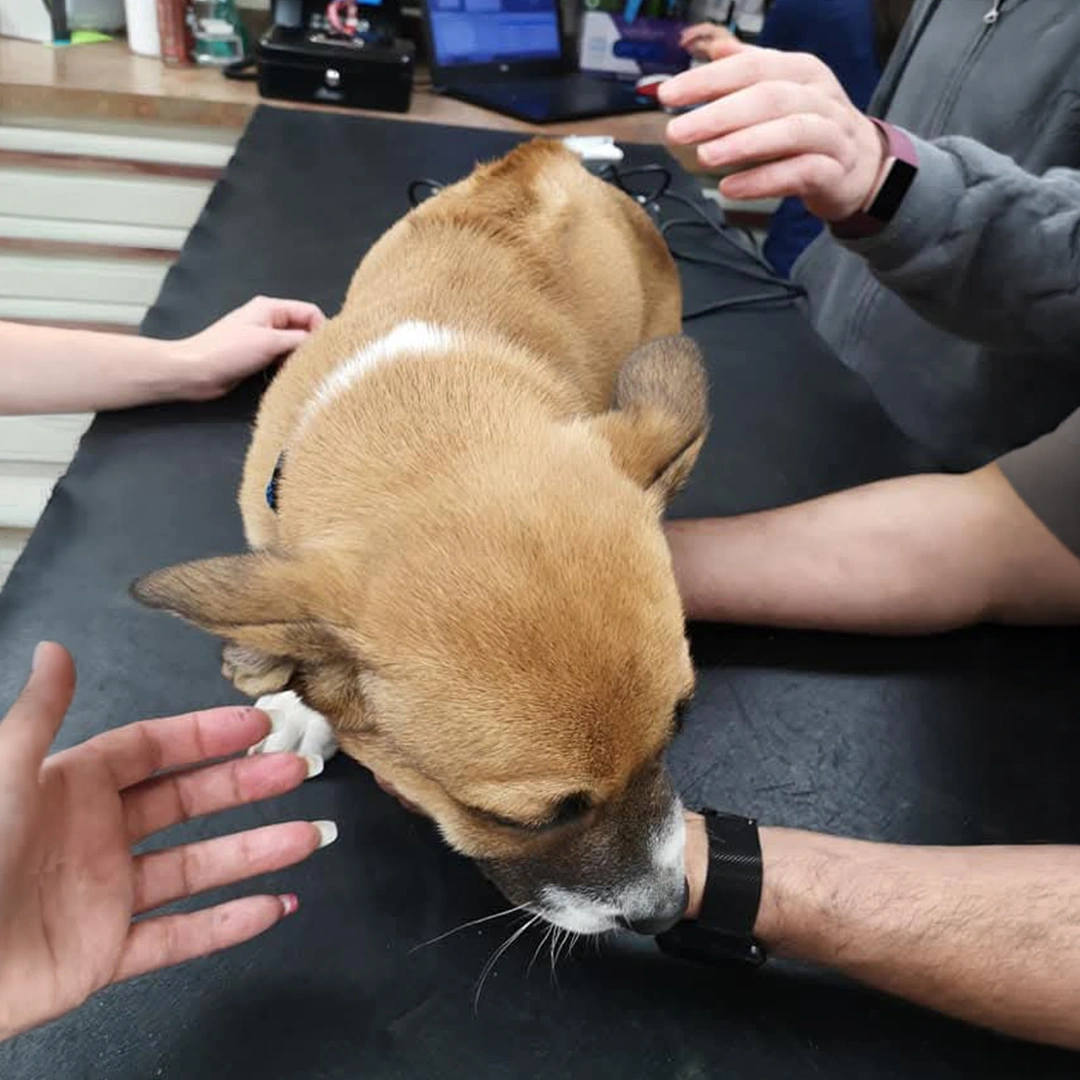
This is a minimally invasive procedure and generally takes no more than few hours before you can bring your pet home.
First, we’ll draw a small amount of blood, much as we would for a blood test. The blood is places into a double-syringe system and spun in a centrifuge to separate the platelets and growth factors from the red and white blood cells. We’ll then inject the plasma into the injured or inflamed area. This step does often require some light sedation or anesthesia when we’re making injections into sensitive joints for your pet’s comfort.
In the first 24 to 72 hours, you can expect to see some mild discomfort and stiffness at the injection site. We recommend avoiding strenuous activity for your pet in the fist 1 to 2 weeks post-treatment as well.
You should notice gradual improvement including reduced pain and improved mobility for your pet over the next couple of weeks with the full benefits of the treatment showing within 4 to 6 weeks. We may recommend two or three consecutive treatments to give your pet their best results.
There are some very rare cases that include infection and excessive inflammation, but they are unlikely, and we’ll discuss those risks fully with you before treatment.