
Veterinary Anesthesia
What is Anesthesia for Pets?
To induce unconsciousness, for pain control and for muscle relaxation to keep them safe.
At CHVC in Prince George, we use veterinary anesthesia for cats, dogs, and ferrets to induce unconsciousness and for pain control and muscle relaxation during surgeries and some other procedures to keep them safe.
Anesthesia is the administration of drugs intravenously or through inhalants to achieve unconsciousness, pain control and muscle relaxation. We use both short- and long-acting types of anesthesia depending on the procedure we’re performing. We’ll discuss the benefits and reasons for using anesthesia on your pets with you before administering it as well as any potential side effects and how we mitigate risks.
Why We Use Anesthesia
Protecting your pets from unnecessary trauma and pain.
Anesthesia allows us to protect your pets from unnecessary trauma and pain during surgery and procedures as well as keep them and ourselves safer when performing procedures that require them to stay still and calm.
We prioritize your pet’s well-being at every stage of our work, and that means making their time with us as safe and stress-free as possible. We use anesthesia any time that the patient goes through a major surgery as well as for procedures like dental cleaning that require them to be still and calm while we do detailed work.
What to Expect from Your Pet’s Anesthesia
If your pet is visiting us for a procedure that requires general anesthesia, we’ll warn you ahead of time.
Your pet will need to fast for 12 hours before we administer the drugs, but please make sure to provide them with plenty of water.
When you bring your pet in on the morning of the procedure, we’ll perform a full physical exam and blood work first, so we can be sure your pet is healthy enough to receive anesthesia. We’ll then perform a series of protocols for anesthesia that we can discuss with you, but they are specific for breed, age, surgical procedures, and the injury or underlying disease that we’re trying to correct.
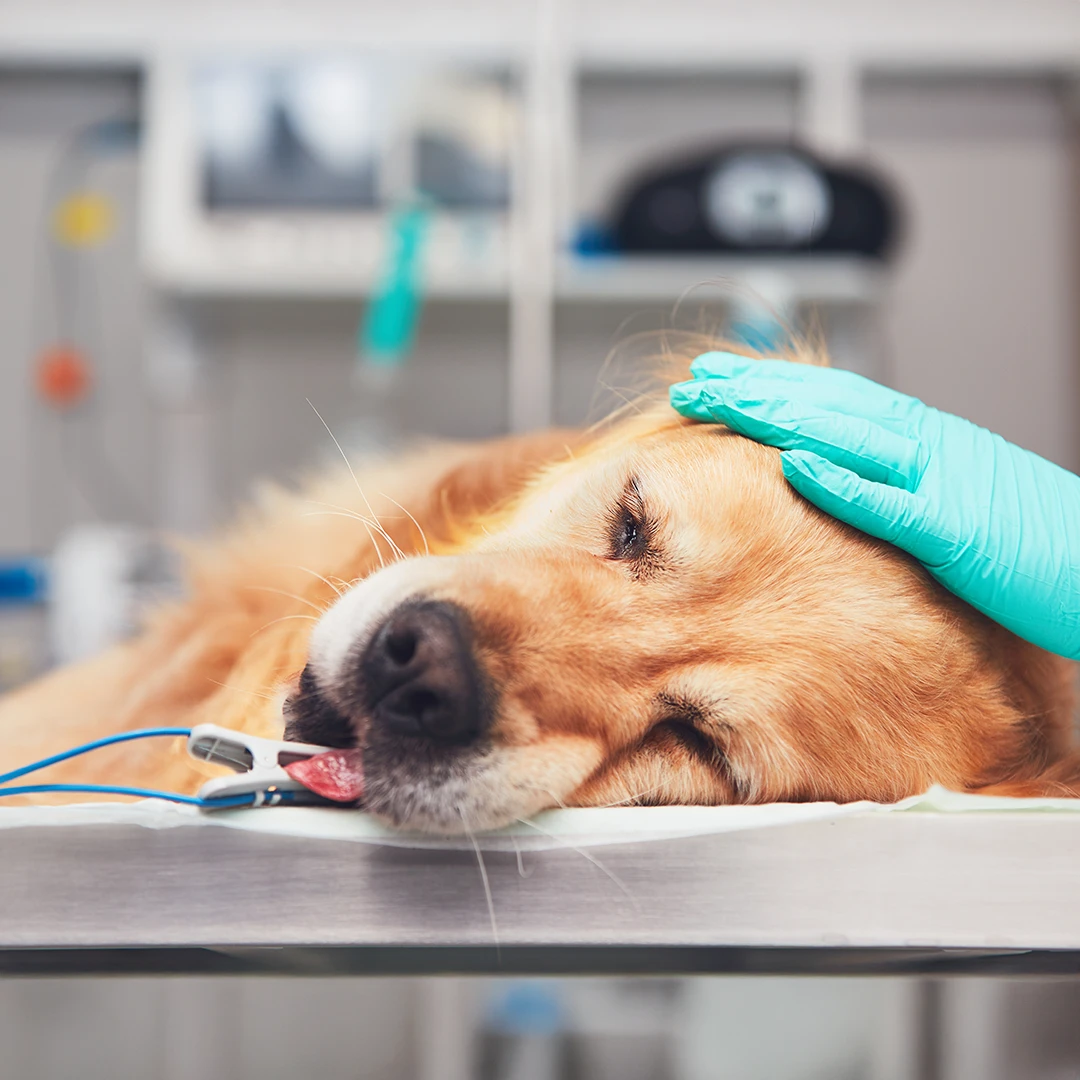
Anesthesia does come with some risks, but we do everything we can to minimize them. That’s why every patient under general anesthesia is thoroughly monitored, including pulse oximetry, capnography, ECG, respiration, temperature, peripheral perfusion, and blood pressure.
When your pet wakes up, they will be groggy, lethargic, and possibly a bit nauseous. This is all normal and should disappear entirely within 24 hours.