Veterinary Electrocardiograms in Prince George, BC
What is an Electrocardiogram?
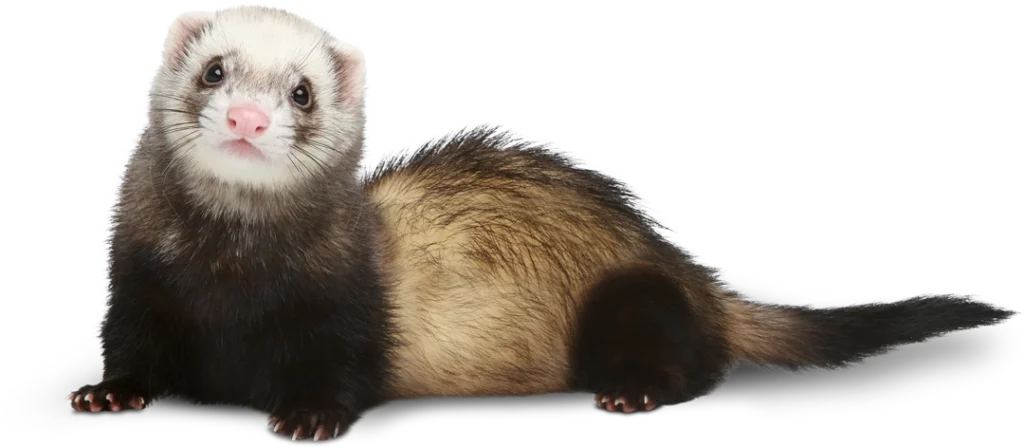
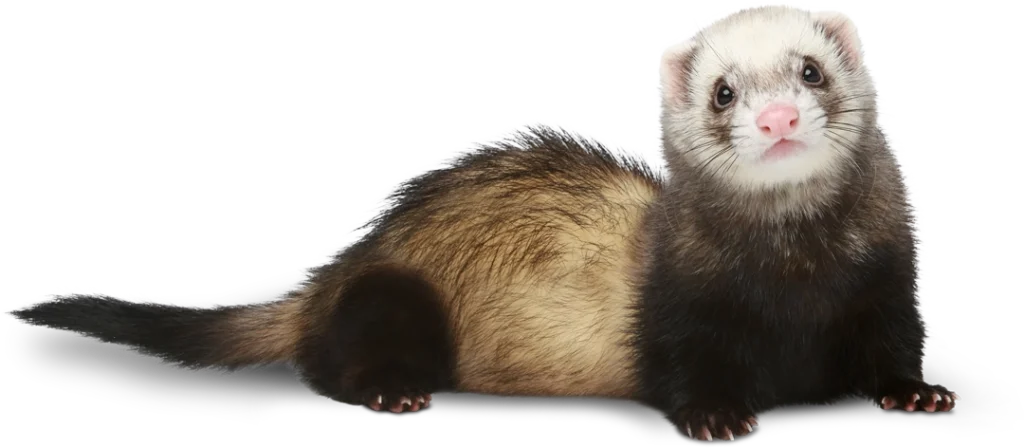
At CHVC, we provide electrocardiograms for dogs, cats, and ferrets in Prince George, BC to measure your pet’s heart rhythm and speed.
An electrocardiogram, also known as and EKG or ECG, monitors the heart’s rhythm and speed by measuring electrical activity using sensors attached to the skin. An ECG will detect if your pet’s heart is beating too quickly, too slowly, or irregularly.
Why We Use Electrocardiograms
ECGs are incredibly useful for detecting arrhythmias and helping to diagnose or monitor heart conditions.
We most often use them for certain dog breeds, which are predisposed to heart disease, and cats, who can have cardiomyopathy even without physical symptoms, but we will recommend an ECG anytime if your pet has a heart murmur or a suspected heart condition.
ECGs are also routinely performed before using anesthesia if your pet is in their golden years or has a potential heart condition.
If you think your pet has a heart condition, we recommend bringing them in for a check up as soon as possible. Some symptoms of heart disease to watch out for include:
What to Expect from Your Pet’s ECG
From preparation to results, learn about your pet’s ECG experience.
When you bring your pet in for an ECG, the first thing we’ll ask you about is your pet’s history, especially any signs of heart problems and whether you’ve seen any symptoms recently or new symptoms.
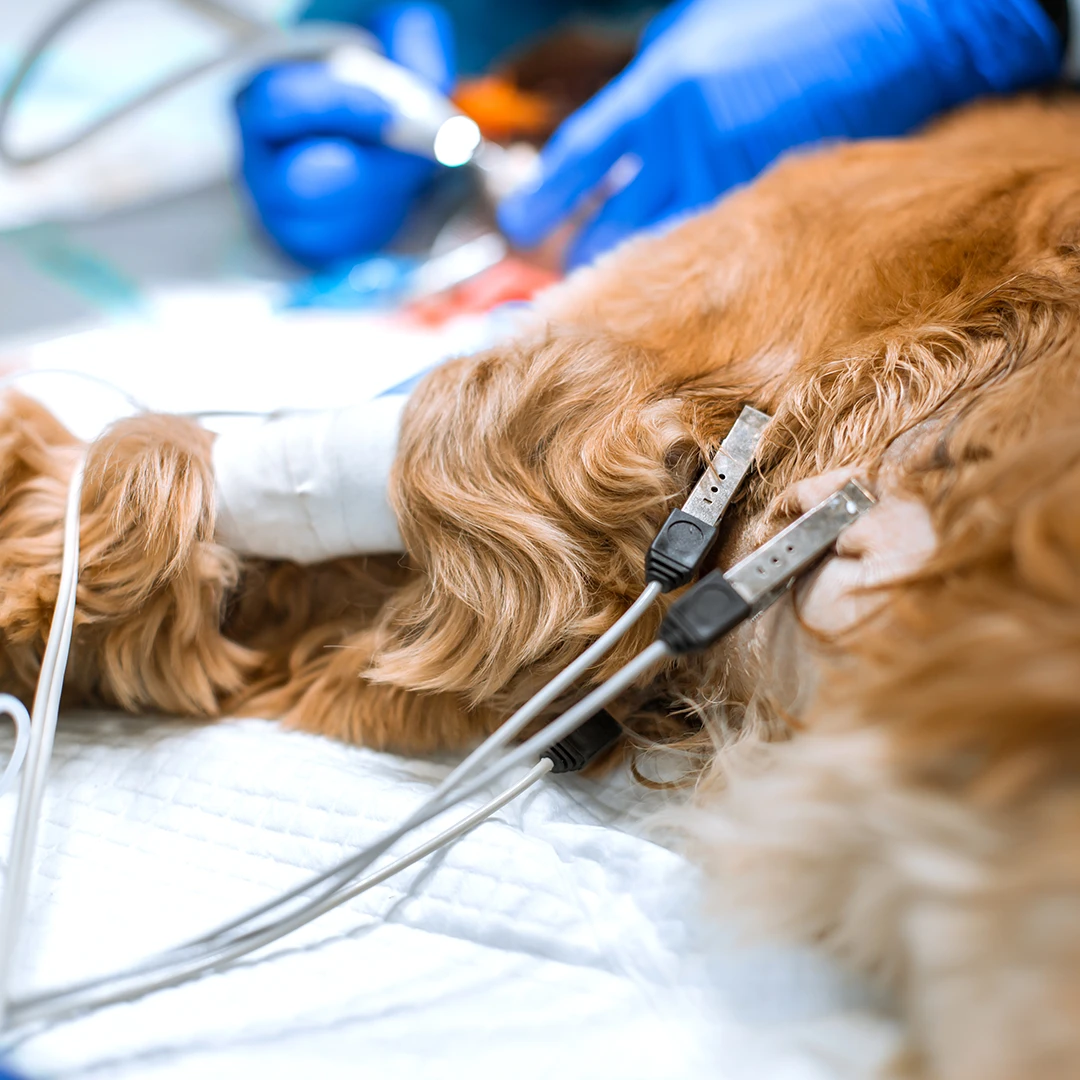
Once we’ve established what we’re most likely looking for, we’ll have your pet lie down and attach electrodes to their chest and limbs with adhesive patches. We will need to shave small patches of their fur in order to get proper contact between the electrodes and their skin.
The test is completely painless, but we will need your pet to lie still for a few minutes while we take the recording. The entire test takes about 10 minutes, and once it’s complete, we will view the results and discuss them with you. From there, we’ll determine together if we need to administer any medications or perform additional tests, like Holter Monitoring or a Cardiac Ultrasound.